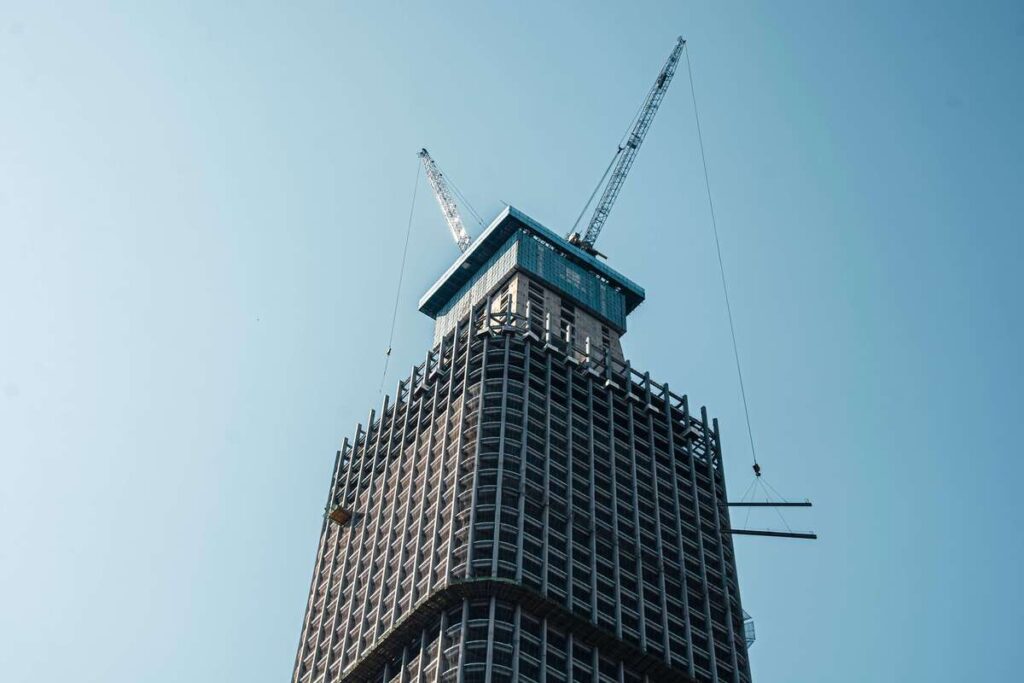



What is MEP Engineering? The Backbone of Safe, Efficient & High-Performance Buildings
November 19, 2025As sustainability becomes a global priority and energy costs continue to rise, Energy Modeling has become essential for designing high-performance buildings. By simulating how a building will behave under real-world conditions, Energy Modeling allows engineers and decision-makers to create systems that are efficient, cost-effective, and compliant with international standards.
At ADVEC, Energy Modeling is a core part of our engineering DNA. Using advanced tools like HAP E20 Software and working under global frameworks such as ASHRAE Standard 209 and ISO 50001, our team delivers accurate, data-driven insights that elevate every project—from early design to final commissioning.
What Is Energy Modeling?
Energy Modeling is the process of digitally simulating a building’s energy performance. This includes predicting:
-
Heating and cooling loads
-
Annual energy consumption
-
Peak demand
-
System efficiency
-
Water usage
-
Operating costs
By building a virtual version of the project, engineers can test multiple scenarios and select the configuration that offers the best balance between efficiency, cost, and performance.
Why It Matters
1. Optimized Costs & System Sizing
Proper simulation prevents oversizing equipment and reveals opportunities to reduce operational expenses.
2. Regulatory Compliance
Energy Modeling ensures adherence to global standards such as ASHRAE 209 and ISO 50001, along with local energy codes.
3. Sustainability & Lower Carbon Footprint
Better energy performance leads to reduced emissions and supports green building goals.
4. Clear Data for Better Decisions
Owners and investors gain reliable forecasts that guide smarter design choices.
ADVEC’s Approach
Our Energy Modeling workflow is structured, transparent, and rooted in technical accuracy:
1. Data Collection
Architectural plans, mechanical systems, material specifications, utility tariffs, occupancy profiles.
2. Model Creation
We build a detailed HAP E20 simulation that reflects real-world behavior and climate conditions.
3. System & Cost Simulations
Through load calculations and tariff-based energy assessments, we analyze the performance and cost of each system alternative.
4. Water Consumption Analysis
Using the FTE method, we determine annual water demand, especially important for large-scale facilities.
5. Optimization & Reporting
We evaluate energy savings, payback periods, carbon impact, and system feasibility—then deliver clear reports that guide final decision-making.
Industries That Benefit Most
Energy Modeling is essential for:
-
Schools and universities
-
Commercial buildings and malls
-
Hospitals and clinics
-
Residential developments
-
Industrial facilities
-
Hospitality projects
-
Data centers
Wherever efficiency and long-term performance matter, Energy Modeling provides the roadmap.
The Future: Digital Twins & Real-Time Optimization
ADVEC is advancing toward next-generation modeling with:
-
AI-enhanced simulation
-
Digital twins for predictive performance
-
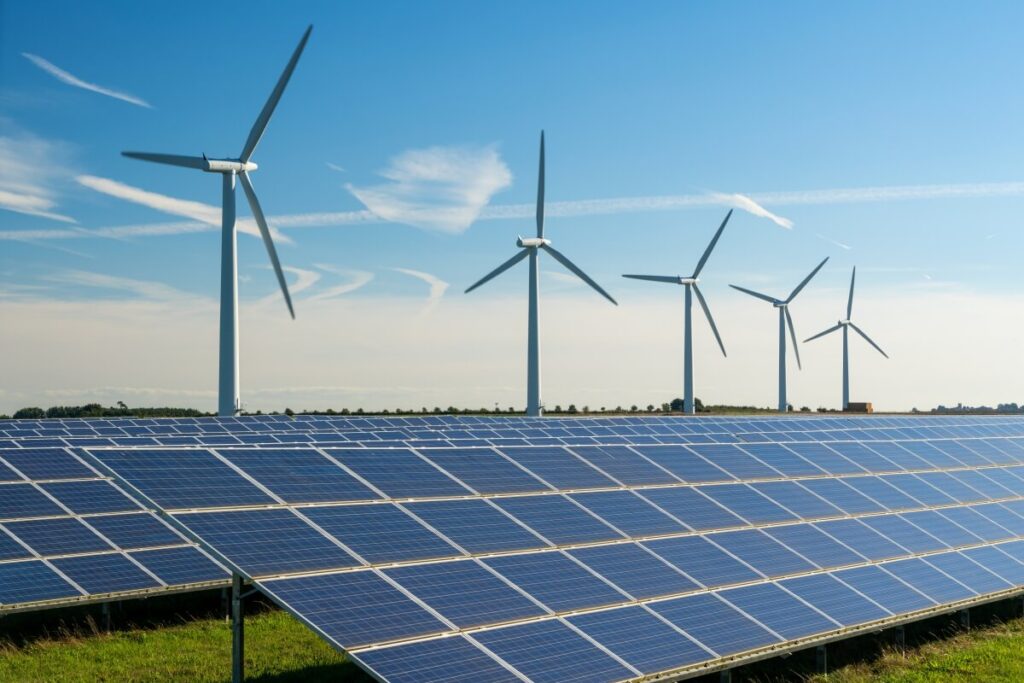
Renewable energy integration
-
Real-time monitoring and analytics
These capabilities allow buildings to operate smarter, adapt faster, and perform better throughout their lifecycle.
Conclusion
Energy Modeling is the backbone of modern engineering—enabling projects that are efficient, sustainable, and cost-optimized from day one.
At ADVEC, we combine advanced simulation tools, global standards, and multidisciplinary expertise to help clients build smarter and perform better across every design phase.